
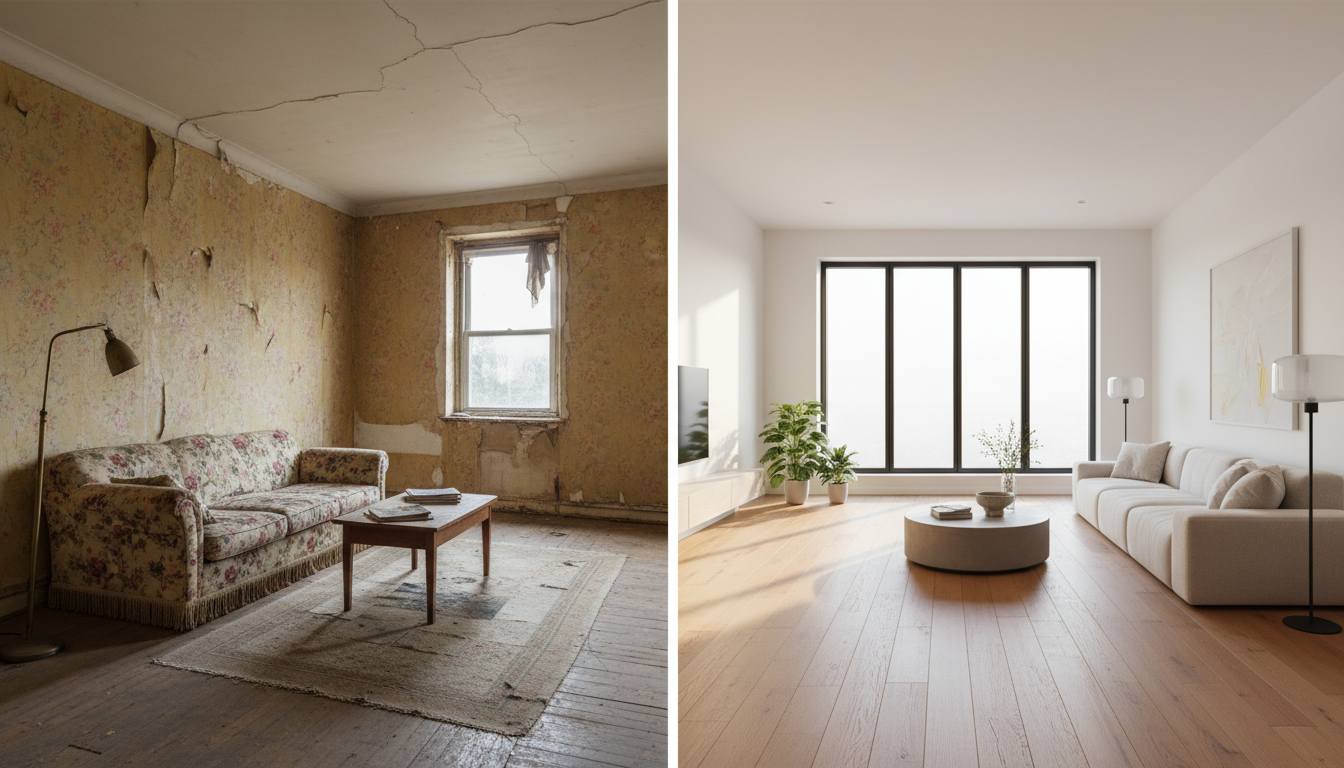
Whether you’re staring at a kitchen that hasn’t been updated since the 90s or you simply need more room for a growing family, the question eventually arises: Is it worth the dust and the noise? The short answer is yes.
Considering house renovations offers significant benefits, including a substantial increase in your property’s market value, improved energy efficiency that lowers monthly bills, and enhanced daily comfort by tailoring your living space to your current lifestyle. Beyond aesthetics, renovating allows you to address structural issues early, potentially saving you thousands in emergency repairs down the road.
Renovating isn’t just about picking out new tiles or a trendy paint color; it’s a strategic move to protect your largest financial asset while making it a more joyful place to live. Below, we’ll dive deep into the specific advantages of home improvement and why taking the plunge might be the best decision you make this year.
1. Skyrocket Your Property Value
One of the most popular reasons homeowners consider renovation is the “Return on Investment” (ROI). If you plan to sell your home in the next few years, a well-executed remodel can be the difference between a house that sits on the market and one that sparks a bidding war.
-
The “Heart” of the Home: Kitchens and bathrooms still offer the highest ROI. A minor kitchen remodel—think painting cabinets and upgrading appliances—can often recoup over 70% of its cost at resale.
-
Curb Appeal: First impressions matter. Replacing an old garage door or updating your siding often yields a massive return because it instantly builds trust with a potential buyer.
-
Equity Building: Every improvement you make increases your home equity, giving you more financial leverage if you ever need to refinance or take out a home equity loan.
2. Improved Energy Efficiency (and Lower Bills)
With energy prices fluctuating, making your home more “green” is no longer just a trend—it’s a financial necessity. Many older homes are “leaky,” meaning your expensive heated or cooled air is literally flying out the window.
When you renovate, you have the chance to:
-
Upgrade Insulation: Adding high-quality insulation in the attic and walls keeps your home’s temperature consistent.
-
Replace Windows: Swapping single-pane glass for double or triple-glazing can slash your heating and cooling costs by 10% to 15%.
-
Smart Technology: Installing a smart thermostat or energy-efficient LED lighting might seem small, but these changes add up to significant annual savings.
3. Customizing for Your Current Lifestyle
Life changes, but houses often stay the same. Maybe you bought your home as a couple, but now you have three kids and a dog. Or perhaps you’ve transitioned to working from home permanently and are tired of taking Zoom calls from the dining table.
Renovation allows you to make your home work for you, rather than you working around the house.
-
Open Floor Plans: Knocking down a non-structural wall between the kitchen and living room can make a small home feel massive and facilitate better family interaction.
-
Converting Wasted Space: That dusty attic or damp basement can be transformed into a vibrant home office, a guest suite, or a dedicated workout room.
-
Aging in Place: For those planning to stay in their homes long-term, renovations like walk-in showers or wider doorways ensure the home remains safe and accessible as you get older.
4. Addressing Safety and Structural Integrity
We’ve all heard the phrase “out of sight, out of mind,” but when it comes to home maintenance, what you can’t see can hurt your wallet. Renovations provide a rare opportunity to “peek behind the curtain” (or the drywall).
While the walls are open, you can address:
-
Outdated Wiring: Older homes may have electrical systems that aren’t built for modern high-wattage appliances, posing a fire risk.
-
Plumbing Leaks: Catching a slow leak behind a shower wall during a remodel prevents mold growth and structural rot that could cost a fortune later.
-
Foundation Issues: If you notice cracks while renovating your basement, you can fix them before they compromise the entire house.
How to Prioritize Your Renovation Projects
If you’re feeling overwhelmed by the possibilities, use this table to see which projects align best with your specific goals:
| Goal | Best Project | Estimated ROI |
| Max Resale Value | Kitchen or Bathroom Remodel | 60% – 75% |
| Lower Monthly Costs | Window Replacement / Insulation | 65% – 80% |
| More Living Space | Basement or Attic Conversion | 50% – 70% |
| Quickest Impact | Interior Painting / New Flooring | High (Variable) |
5. Mental Well-being and “Home Happiness”
Finally, we can’t ignore the psychological benefit of living in a space you actually enjoy. Cluttered, dark, or dysfunctional rooms can subtly increase daily stress.
A renovation that introduces more natural light—perhaps through a new skylight or larger windows—has been shown to improve mood and productivity. Coming home to a space that reflects your personality and functions smoothly creates a “sanctuary” effect that is hard to put a price tag on.
Expert Tip: Don’t renovate just for the next buyer. If you plan to live in your home for five years or more, prioritize the changes that will make your daily life easier and more enjoyable today.
Ready to start planning?
Renovating your home is a journey, but the rewards—financial, functional, and emotional—are well worth the effort. By focusing on quality materials and a clear plan, you can turn your current house into your dream home.